Anzeige
Fauna Marin GmbH Mrutzek Meeresaquaristik Kölle Zoo Aquaristik ICP Fauna Marin GmbH

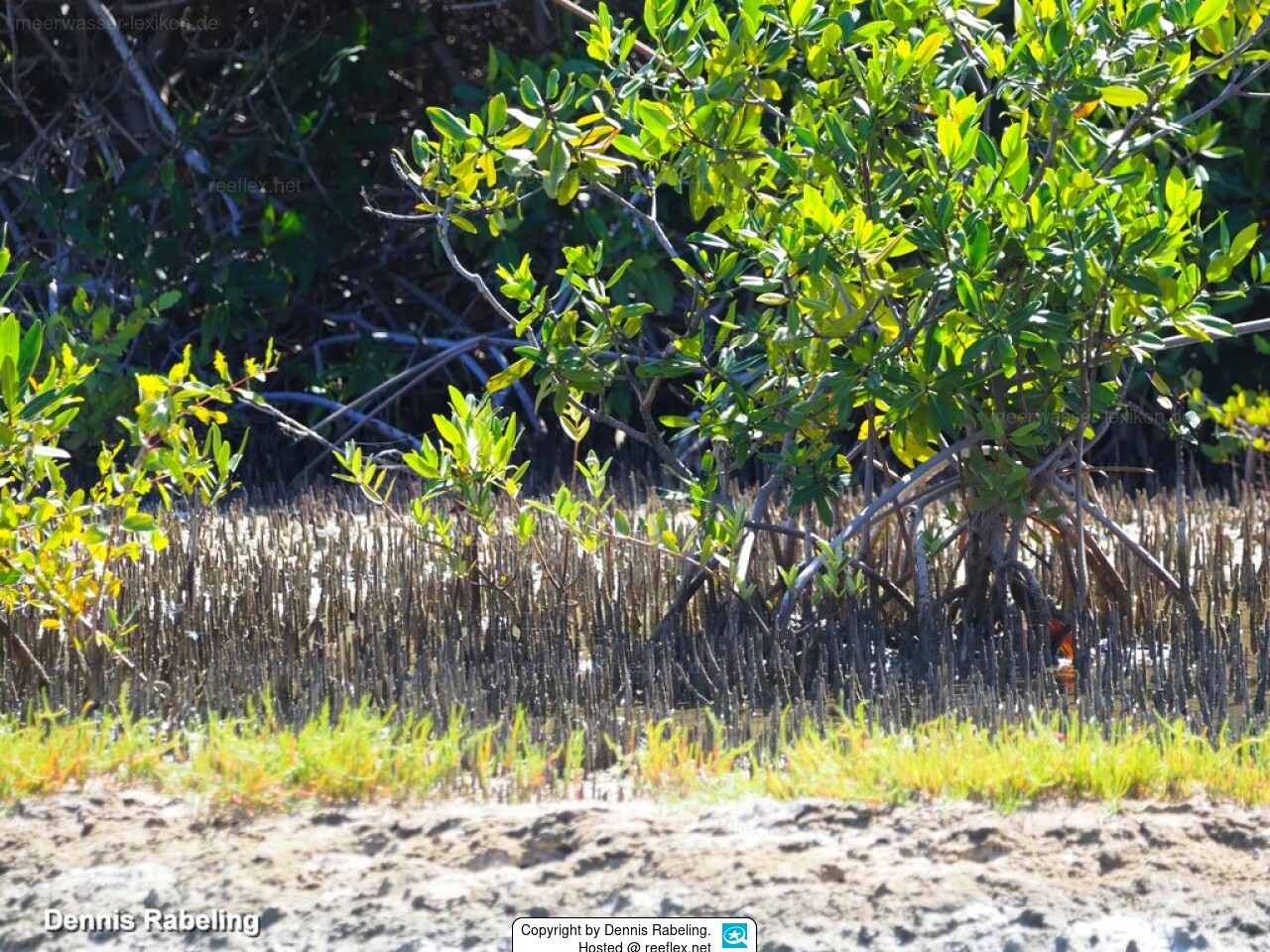
Laguncularia racemosa White Mangrove

Laguncularia racemosa is commonly referred to as White Mangrove. Difficulty in the aquarium: There are no reports available yet that this animal has already been kept in captivity successfully. Toxicity: Toxic hazard unknown.


Profilbild Urheber Dennis Rabeling, Lanzarote, Kanarischen Inseln

Laguncularia racemosa,Kralendijk, Caribbean Netherlands 2025


Courtesy of the author Dennis Rabeling, Lanzarote, Kanarischen Inseln . Please visit www.inaturalist.org for more information.

Uploaded by Muelly.

Image detail


Profile

lexID:
18202 
AphiaID:
235050 
Scientific:
Laguncularia racemosa 
German:
Weiße Mangrove 
English:
White Mangrove 
Category:
 
Family tree:
Plantae (Kingdom) > Tracheophyta (Phylum) > Magnoliopsida (Class) > Myrtales (Order) > Combretaceae (Family) > Laguncularia (Genus) > racemosa (Species) 
Initial determination:
(L.) C.F.Gaertn., 0 
Occurrence:
Benin, El Salvador, Ghana, Suriname, Gambia, (the) Maldives, Angola, Belize, Brazil, Cameroon, Columbia, Congo, Costa Rica, Cuba, Dominican Republic, Ecuador, Guatemala, Guinea-Bissau, Gulf of Mexico, Guyana, Haiti, Honduras, Indian Ocean, Jamaica, Kenya, Madagascar, Mozambique, North Atlantic Ocean, Panama, Peru, Senegal, Sierra Leone, Somalia, South-Africa, Tansania, The Bahamas, the Caribbean, the Netherlands Antilles, the Seychelles, Togo, Trinidad and Tobago, USA, Venezuela 
Sea depth:
Meter 
Habitats:
Coastal waters, Mangrove Zones, Unconsolidated muddy grounds 
Size:
up to 787.4" (2000 cm) 
Temperature:
°F - 82.4 °F (°C - 28°C) 
Food:
Photosynthesis 
Difficulty:
There are no reports available yet that this animal has already been kept in captivity successfully 
Offspring:
Possible to breed 
Toxicity:
Toxic hazard unknown 
CITES:
Not evaluated 
Red List:
Least concern (LC)  
Related species at
Catalog of Life
:
 
Author:
Publisher:
Meerwasser-Lexikon.de
Created:
Last edit:
2026-03-06 20:25:48 

Captive breeding / propagation

The offspring of Laguncularia racemosa are possible. Unfortunately, the number of offspring is not large enough to cover the demand of the trade. If you are interested in Laguncularia racemosa, please ask your dealer for offspring. If you already own Laguncularia racemosa, try breeding yourself. This will help to improve the availability of offspring in the trade and to conserve natural stocks.

Info

Laguncularia racemosa (L.) C.F.Gaertn.

Synonymised names
Conocarpus racemosus L. · unaccepted

External links

  1. Wikipedia (de). Abgerufen am 06.03.2026.

Pictures

Commonly


Husbandry know-how of owners

0 husbandary tips from our users available
Show all and discuss